Many people notice that certain memories stay with them for years. Even when life moves forward, these memories can return suddenly and feel just as strong as before. This can feel deeply confusing. People often wonder why some experiences fade naturally, while others seem to remain present in the mind and body.
Understanding why certain memories feel difficult to release can help explain how the brain processes emotional experiences, and why approaches such as trauma release hypnosis are often explored.
Understanding Emotional Memory
Not all memories are stored in the same way. Everyday experiences are usually processed and placed into the past. The brain records what happened and allows the person to move forward.
However, emotionally intense experiences are often stored differently. When something feels overwhelming, the brain may not fully process it at the time.
Instead, the experience may remain active through:
- strong emotional reactions
- physical sensations
- vivid impressions
- feelings of tension or vulnerability
Because these elements are not fully processed, the memory can feel as though it is still present.
Why the Brain Holds On to Certain Memories
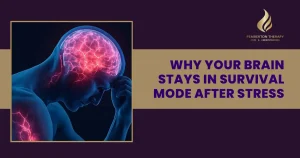
The brain is designed to prioritise survival rather than comfort. When an experience feels emotionally intense, the brain may treat it as something important to remember. This can lead to certain memories being held more strongly than others.
The Brain’s Safety Mechanism
The brain’s threat detection system, particularly the amygdala, plays a key role in this process. When a situation feels threatening, the brain stores that experience in a way that keeps the individual alert to similar situations in the future.
In some cases, the brain may struggle to distinguish between past and present danger. This can lead to ongoing emotional responses, even when the situation has already passed.
Emotional Pain Feels Physical
Emotional experiences are closely linked to physical sensations in the brain. This is why memories connected to grief, loss, or distress can feel physically overwhelming. The body may respond with tension, discomfort, or a sense of heaviness. Because of this connection, certain memories can feel difficult to escape.
When Memories Are Not Fully Processed
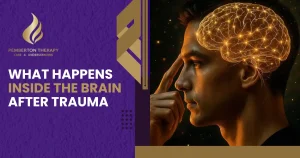
During highly stressful experiences, the brain may not process memories in a clear and organised way. The part of the brain responsible for organising memory, often referred to as the hippocampus, may become less effective during intense stress.
This can lead to memories being stored as:
- fragments of emotion
- physical sensations
- disconnected impressions
As a result, the experience may not feel like something from the past. Instead, it can feel active and ongoing.
The “Velcro” Effect of Negative Memory
The brain is naturally wired to focus more strongly on negative experiences than positive ones. Negative memories tend to “stick” more easily because the brain is trying to learn from potential danger.
This is sometimes described as negative experiences feeling like they attach firmly, while positive experiences are processed more lightly. This can make it feel as though difficult memories are harder to release.
The Need for Closure and Understanding
When an experience feels unresolved, the mind may continue returning to it. The brain may replay events in an attempt to:
- understand what happened
- find a sense of closure
- create certainty
This can lead to repeated thinking patterns where the memory feels difficult to let go.
Identity and Familiar Patterns
In some cases, the mind becomes familiar with certain emotional states or experiences. Even when those experiences are difficult, they may feel known and predictable. Letting go can sometimes feel uncertain, which the brain may interpret as risk. This can cause the mind to hold on to familiar patterns, even when they are no longer helpful.
The Role of Loss and Letting Go
Letting go of certain memories can sometimes feel like losing something important. The brain may interpret this as a form of loss, even when the memory is connected to pain. Because the mind often places greater weight on avoiding loss, it may resist releasing the memory.
The Subconscious Mind and Repeating Patterns
Many of these responses are influenced by the subconscious mind. The subconscious stores emotional experiences and learned reactions. When a memory is connected to strong emotion, it may become deeply embedded within these patterns.
This can lead to:
- replaying past experiences
- strong emotional reactions to reminders
- difficulty moving forward from certain situations
These patterns often occur automatically, without conscious awareness.
The Connection to Trauma Release Hypnosis
Because these memory patterns are often stored within the subconscious mind, approaches that work with the subconscious are commonly explored.
Trauma release hypnosis focuses on understanding how emotional experiences are stored and how they continue to influence thoughts and reactions.
Clinical hypnotherapy is a highly trained skill that requires a deep understanding of how the brain processes emotional experiences. Practitioners undergo extensive training to create a safe and supportive environment.
Within this space, individuals can begin exploring the patterns connected to difficult memories. These patterns often become clearer when approached in a calm and structured way.
Many clients report that as they continue this process, their understanding of these memories begins to change. Some individuals experience a shift in how strongly certain memories affect them over time.
The Importance of a Safe and Supportive Environment
Working with emotional memories requires care, patience, and understanding.
Clinical hypnotherapy provides a structured environment where individuals can explore deeply personal experiences without judgement.
This allows people to:
- feel heard and understood
- explore emotional patterns safely
- gain clarity about their experiences
At Pemberton Therapy we care and understand.
Creating a calm and respectful space allows individuals to approach their experiences at their own pace while feeling supported.
A Final Thought
Some memories feel impossible to let go because they are connected to deeper emotional and subconscious patterns.
These experiences are not simply thoughts that can be dismissed. They are part of how the brain has processed significant moments and stored them for protection.
Understanding this can help explain why certain memories remain present over time.
With the right support and understanding, many individuals begin to experience these memories differently. Speaking with a trained professional can provide a safe opportunity to explore these patterns and move toward a more balanced emotional state.