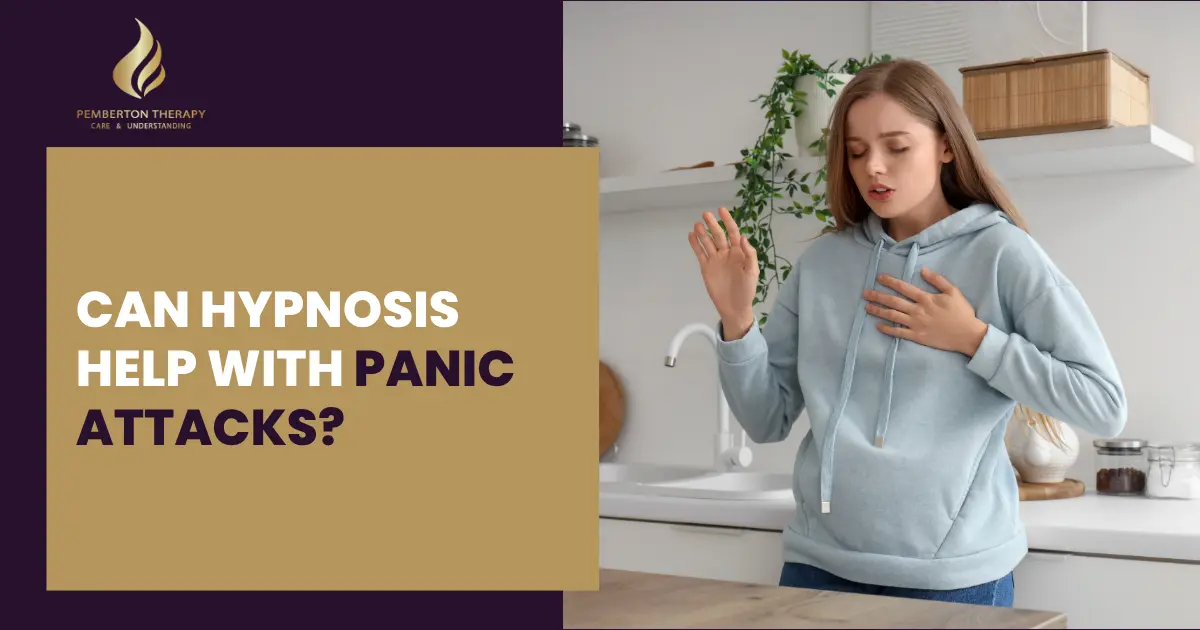
Many people who experience panic attacks describe them as sudden and overwhelming. The body may react quickly, with intense physical sensations and a strong sense of fear, even when there is no clear danger.
These experiences can feel confusing and distressing. Some individuals begin to worry about when the next episode might happen, which can create ongoing tension in daily life.
Understanding how panic attacks develop, and how the mind responds, can help explain why approaches such as panic attacks hypnosis are often explored.
Understanding Panic Attacks
A panic attack is a sudden surge of intense anxiety that affects both the mind and body. People may notice:
- a rapid heartbeat
- short or shallow breathing
- dizziness or light-headedness
- a sense of losing control
- strong emotional discomfort
These responses are part of the body’s natural survival system. The brain prepares the body to respond quickly, even when there is no immediate threat.
For many individuals, the experience feels very real and difficult to manage in the moment.
Why Panic Attacks Feel So Intense
Panic attacks are closely linked to how the brain processes fear.
The amygdala, often described as the brain’s threat detection centre, can become highly sensitive. When this happens, it may trigger a strong response even in safe situations.
The body reacts quickly, creating physical sensations that can feel alarming. These sensations can then increase fear, creating a cycle that feels difficult to interrupt.
Over time, the brain may begin to associate certain situations, sensations, or environments with panic responses.
The Role of the Subconscious Mind
Many panic responses are influenced by subconscious patterns.
The subconscious mind stores emotional experiences and learned reactions. When certain patterns become established, the brain may respond automatically.
This means panic attacks may not always have an obvious cause. Instead, they may be linked to:
- past emotional experiences
- learned fear responses
- subconscious associations with certain situations
Because these patterns operate below conscious awareness, they can feel unpredictable.
Understanding Panic Attacks Hypnosis
Because panic attacks are often influenced by subconscious patterns, panic attacks hypnosis focuses on how these patterns are formed and maintained.
Clinical hypnotherapy is a highly trained skill that works with the subconscious mind in a structured and supportive way. Practitioners undertake extensive training to understand how the brain processes fear, emotional responses, and behavioural patterns.
Within this environment, individuals can begin exploring the deeper responses that contribute to panic experiences.
How Hypnosis for Anxiety Works With Panic Responses
Hypnosis for anxiety focuses on understanding how the brain reacts to perceived danger and how these reactions become repeated over time.
Through carefully guided techniques, hypnotherapy works to:
Identify Underlying Patterns
Many panic responses are connected to deeper emotional triggers that may not be immediately obvious. Hypnotherapy allows these patterns to be explored in a calm and structured setting.
Support Changes in Automatic Responses
The brain can develop automatic fear reactions based on past experiences. Through subconscious-focused techniques, individuals can begin to respond differently to situations that previously triggered panic.
Reduce the Intensity of Physical Reactions
Panic attacks often involve strong physical sensations. As subconscious patterns are explored, many individuals notice changes in how their body responds to stress and anxiety.
Reinforce Calm and Safety Responses
During sessions, carefully guided suggestions may support the mind in recognising safety rather than threat. Over time, this can influence how the brain reacts in situations that previously triggered panic.
Understanding the Effectiveness of Hypnotherapy
Clinical hypnotherapy is widely recognised as a structured approach for working with anxiety-related patterns.
Research and clinical observations suggest that working with the subconscious mind can influence how individuals experience anxiety and panic responses. Many people report that as they continue this process, the frequency and intensity of panic episodes may begin to change.
For many individuals, this approach is most valuable because it focuses on the deeper patterns behind anxiety, rather than only surface-level reactions.
The Importance of Professional Guidance
When exploring panic-related experiences, it is important to work with a trained professional.
Clinical hypnotherapy requires a high level of skill, training, and understanding. Practitioners create a safe environment where individuals can explore their experiences without judgement.
This environment allows people to:
- speak openly about their experiences
- understand how their mind responds to fear
- explore subconscious patterns safely
At Pemberton Therapy we care and understand.
Providing a calm and supportive space allows individuals to feel heard while exploring the deeper patterns influencing their panic responses.
Seeing Panic Attacks Differently
Many people begin to view panic attacks as something overwhelming and uncontrollable. However, these responses are often the result of how the brain has learned to react over time.
Understanding this can help shift the way panic is perceived. Rather than being seen as something permanent, it can be understood as a pattern that the mind has developed.
With the right support and understanding, many individuals begin to feel more confident in how they respond to these experiences.
A Final Thought
Panic attacks can feel intense and unpredictable, especially when they appear without warning. They often involve a combination of physical sensations, emotional responses, and subconscious patterns.
Because these experiences are influenced by deeper processes within the mind, approaches such as panic attacks hypnosis and hypnosis for anxiety are often explored.
With the right support, many individuals begin to understand their responses more clearly and feel a greater sense of calm over time. Speaking with a trained professional can provide a safe and supportive opportunity to explore these patterns and move toward a more balanced state of mind.