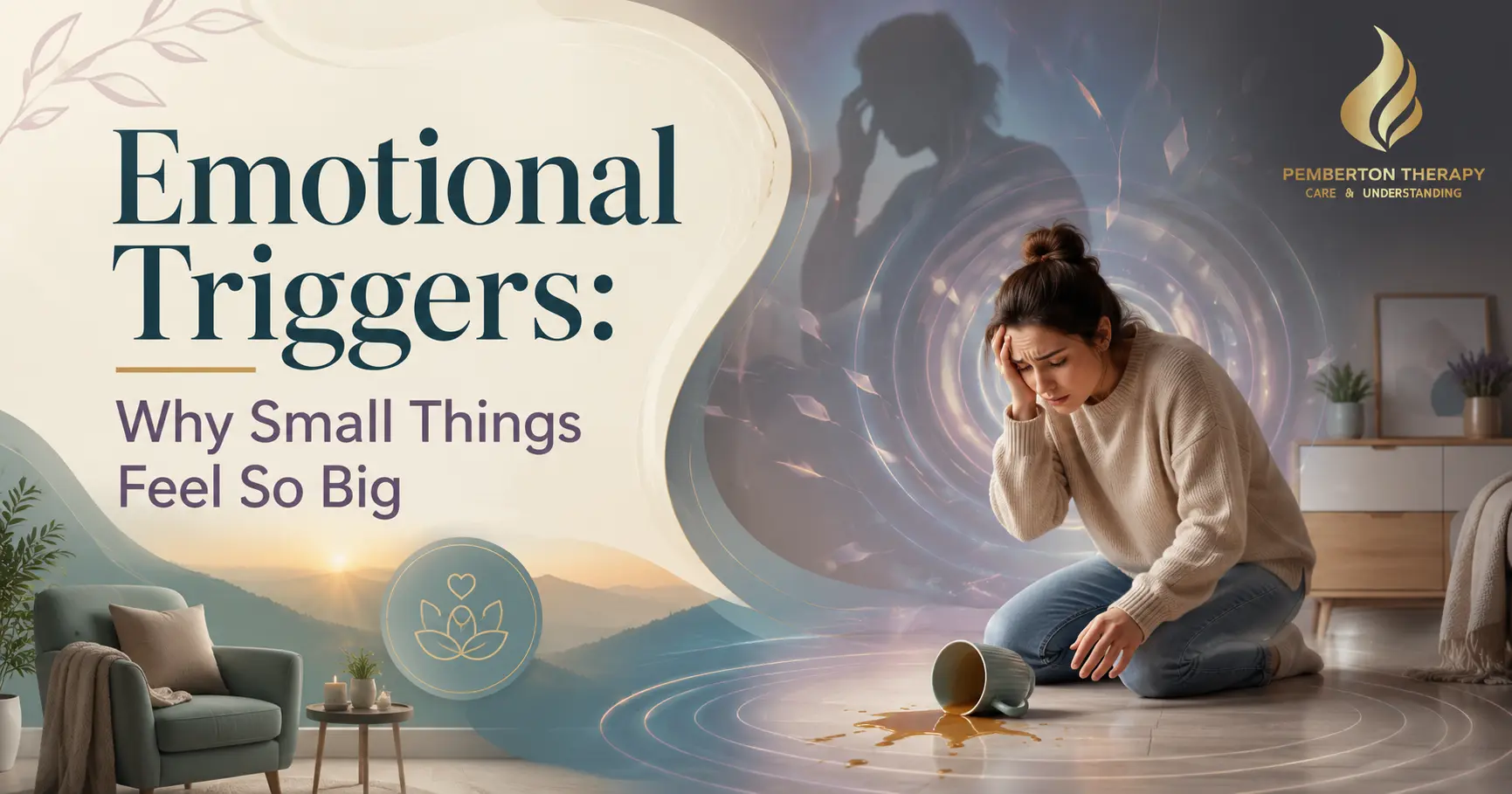
Many people find themselves reacting strongly to situations that seem relatively small. A simple conversation, a particular tone of voice, a change of plans, or an unexpected comment can suddenly create intense feelings of anxiety, sadness, frustration, or fear.
This often leaves people asking the same question: “Why did something so small affect me so much?”
The answer is often much deeper than the situation itself.
Emotional triggers are rarely about the present moment alone. They are often connected to subconscious patterns, emotional memories, and experiences that the brain has stored over time. Understanding these patterns can help explain why hypnosis for anxiety is often explored by individuals wanting to better understand their emotional responses.
What Are Emotional Triggers?
An emotional trigger is an event, situation, or experience that causes an immediate emotional reaction. The trigger itself may appear minor, yet the emotional response can feel overwhelming.
Common emotional triggers may include:
- criticism or negative feedback
- feeling ignored or rejected
- conflict with others
- unexpected change
- uncertainty
- particular sounds, places, or conversations
The emotional reaction often feels much larger than the event because the brain is responding to more than what is happening in the present.
Why Small Situations Can Create Big Emotional Reactions
The brain constantly compares present experiences with memories from the past. When something feels similar to an earlier emotional experience, the brain may automatically activate protective responses. This happens quickly and often without conscious awareness.
For example, a simple conversation may remind the subconscious mind of an earlier experience involving rejection, criticism, or uncertainty. Although the current situation is different, the emotional response may feel just as intense because the brain recognises familiar patterns rather than present reality.
The Role of the Subconscious Mind
The subconscious mind stores emotional experiences, learned behaviours, and protective responses throughout life. Many of these patterns develop automatically. Over time, the subconscious creates associations between certain experiences and emotional reactions.
This means the brain may respond to present situations based on previous emotional learning rather than current facts. For many individuals, these subconscious responses explain why certain situations feel emotionally overwhelming despite appearing relatively minor.
Emotional Memory Shapes Present Reactions
Emotional memories are different from ordinary memories. While many everyday experiences are stored as events from the past, emotionally significant experiences often remain connected to feelings and physical sensations.
This means the brain may react to present situations through:
- anxiety
- sadness
- frustration
- fear
- emotional overwhelm
The individual may know logically that they are safe, yet their emotional response feels immediate and difficult to control.
The Brain’s Threat Detection System
The amygdala, often described as the brain’s threat detection centre, plays an important role in emotional triggers. Its purpose is to recognise possible danger and prepare the body to respond quickly.
Following emotionally difficult experiences, the amygdala may become more sensitive. Instead of responding only to genuine threats, it may react to situations that simply resemble previous experiences.
This heightened sensitivity can make everyday situations feel much more significant than they actually are.
Why the Nervous System Reacts So Quickly
The nervous system is designed to protect the body. When it recognises something that feels familiar, it can activate automatic survival responses before the logical part of the brain has fully assessed the situation.
This can result in:
- increased heart rate
- muscle tension
- emotional intensity
- difficulty thinking clearly
- a strong urge to avoid the situation
These responses are often the result of learned protective patterns rather than present danger.
Why Emotional Triggers Often Feel Unpredictable
Many people become frustrated because they cannot always identify what caused their reaction. This is because emotional triggers often operate beneath conscious awareness.
The subconscious mind can recognise subtle similarities such as:
- a person’s tone of voice
- facial expressions
- particular environments
- specific words
- certain emotional situations
Although these similarities may seem insignificant consciously, they can activate deeply learned emotional responses.
The Link Between Anxiety and Emotional Triggers
People living with anxiety often experience heightened sensitivity to emotional triggers. When the brain has spent long periods expecting uncertainty or danger, it becomes more alert to possible problems.
Over time, this can create recurring patterns such as:
- overthinking conversations
- expecting rejection
- anticipating conflict
- worrying about making mistakes
- becoming emotionally overwhelmed by minor events
These reactions often reflect subconscious learning rather than present circumstances.
Understanding the Connection to Hypnosis for Anxiety
Because emotional triggers are frequently influenced by subconscious patterns, hypnosis for anxiety focuses on understanding the deeper processes behind these responses. Clinical hypnotherapy is a highly trained skill that requires extensive study, professional accreditation, and practical assessment.
A trained hypnotherapist develops a deep understanding of how emotional experiences, behavioural patterns, and subconscious learning influence anxiety.
Within a safe and supportive environment, individuals can begin exploring:
- subconscious emotional patterns
- anxiety triggers
- emotional memories
- learned protective responses
- recurring behavioural reactions
Rather than focusing only on the immediate emotional response, this approach seeks to understand why those reactions developed in the first place.
Many clients report gaining greater insight into the emotional patterns influencing their daily lives. Some individuals experience a growing sense of calm and emotional clarity as they begin understanding how their subconscious mind has been working to protect them.
Understanding Emotional Triggers With Compassion
People often blame themselves for reacting “too strongly.” In reality, emotional triggers are usually the result of the brain attempting to protect the individual using patterns it has learned over time. These reactions are not signs of weakness or failure.
They are often the brain’s way of responding to experiences it believes may still represent danger. Understanding this can help replace self-criticism with greater self-compassion and understanding.
A Final Thought
Emotional triggers can make small situations feel much bigger than they appear because the brain is often responding to emotional memories, subconscious learning, and protective survival patterns rather than the present moment alone. Understanding these deeper responses helps explain why anxiety sometimes feels automatic and difficult to control.
This is one reason why hypnosis for anxiety is often explored by individuals who want to better understand the subconscious patterns influencing their emotional reactions.
At Pemberton Therapy we care and understand.
With the right support and understanding, many individuals begin developing greater insight into these emotional responses and gain a clearer understanding of how their mind and body work together to protect them.