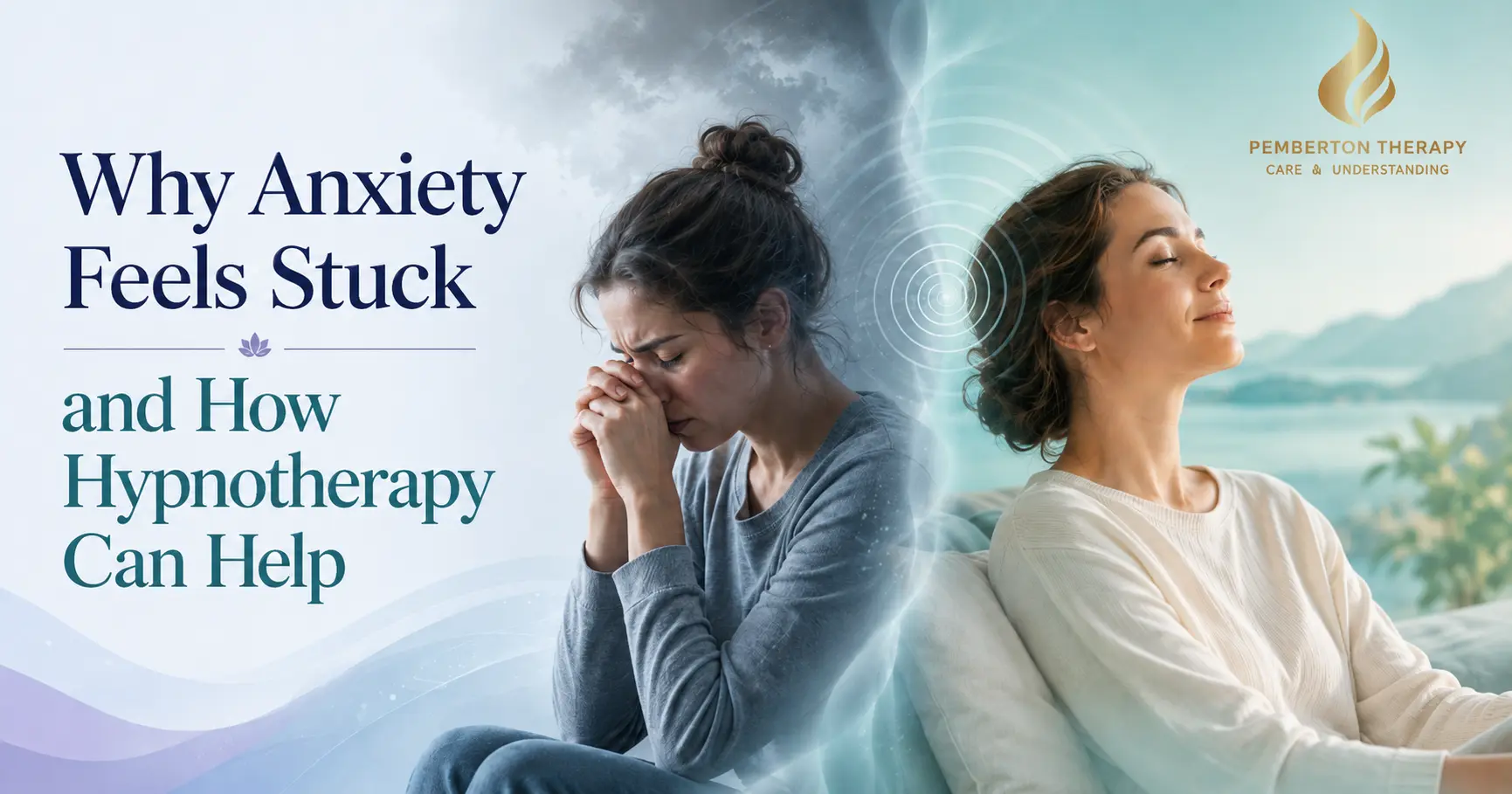
Anxiety can sometimes feel as though it has become part of everyday life. Even when stressful situations improve, many people continue experiencing worry, tension, or a constant feeling of being on edge.
This can be confusing. People often ask themselves why anxiety refuses to go away when they are doing everything they can to move forward. The answer is not always found in current circumstances. In many cases, anxiety becomes connected to subconscious patterns, emotional memories, and learned responses that continue operating beneath conscious awareness.
Understanding why anxiety feels stuck can help explain why hypnosis for anxiety is often explored by people who want to better understand these deeper patterns.
Understanding Why Anxiety Can Feel Persistent
Anxiety is the brain’s natural way of responding to uncertainty or perceived danger. In the right situation, this response helps protect us by increasing awareness and preparing the body to react. However, when anxiety continues long after the original source of stress has passed, it can begin to feel as though it has become permanent. Many people experience:
- ongoing worry
- difficulty relaxing
- constant overthinking
- physical tension
- emotional exhaustion
These experiences are often linked to patterns that have developed over time rather than a single event.
The Brain Learns Through Repetition
The brain is constantly learning from experience. When someone experiences repeated stress, ongoing pressure, or emotionally overwhelming situations, the brain begins recognising these experiences as familiar.
Over time, it may develop automatic responses that continue even when life becomes calmer. Instead of asking whether a situation is genuinely dangerous, the brain may begin assuming that it is. This can cause anxiety to feel like a permanent part of daily life.
The Subconscious Mind and Anxiety
Much of the brain’s activity happens below conscious awareness. The subconscious mind stores emotional experiences, learned behaviours, and automatic responses developed throughout life.
These subconscious patterns influence how people react to situations without them consciously deciding to do so. For example, the subconscious may automatically associate certain places, conversations, emotions, or situations with previous experiences.
When these patterns are activated, anxiety can appear even when there is no obvious reason.
Emotional Memory Can Keep Anxiety Active
Emotional memories are often stored differently from ordinary memories. Rather than existing simply as events from the past, they can remain connected to physical sensations and emotional responses.
This may cause people to experience:
- sudden feelings of unease
- emotional reactions without clear explanation
- increased sensitivity to stress
- recurring worry
- feeling constantly alert
The mind is often responding to emotional memory rather than present circumstances.
The Nervous System Can Become Conditioned
The nervous system plays an important role in anxiety. After prolonged periods of stress, it can become accustomed to functioning in a heightened state of alertness.
For some individuals, this becomes their new normal. The body may continue preparing for danger even when there is no immediate threat. This ongoing activation can contribute to:
- muscle tension
- difficulty sleeping
- restlessness
- hypervigilance
- emotional fatigue
These responses are not signs of weakness. They are often the result of the nervous system continuing to follow learned survival patterns.
Why Anxiety Feels Difficult to Change
Many people become frustrated because they understand logically that they are safe, yet their anxiety continues. This happens because anxiety is not always driven by conscious thought alone.
The subconscious mind often responds more quickly than the logical mind. Even when someone tells themselves there is nothing to fear, older emotional patterns may continue activating automatic responses. This is one reason anxiety can feel stuck despite genuine efforts to move forward.
Common Signs That Anxiety Has Become a Learned Pattern
Persistent anxiety often involves more than occasional worry.
Some people notice:
- expecting something to go wrong
- constantly analysing situations
- feeling unable to switch off mentally
- worrying without a clear reason
- feeling tense even during calm periods
- becoming easily startled
- difficulty enjoying peaceful moments
These experiences may suggest that the brain has developed protective patterns that continue automatically.
Understanding the Connection to Hypnosis for Anxiety
Because anxiety often involves subconscious learning, hypnosis for anxiety focuses on understanding the deeper patterns that influence thoughts, emotions, and behaviours. Clinical hypnotherapy is a highly trained skill that requires extensive study, practical assessment, and professional accreditation.
A trained hypnotherapist develops a deep understanding of how the brain processes emotional experiences, behavioural responses, and subconscious learning. Within a safe and supportive environment, individuals can begin exploring:
- subconscious anxiety patterns
- emotional triggers
- learned fear responses
- recurring thought patterns
- behavioural habits linked to anxiety
Rather than focusing only on temporary symptoms, this approach seeks to understand why anxiety continues and how subconscious responses may be contributing to it.
Many clients report gaining greater insight into their emotional responses throughout this process. Some individuals experience increased calmness and confidence as they begin understanding how their subconscious mind has been working to protect them.
Looking Beyond the Symptoms
When anxiety feels persistent, it is often because the brain has learned patterns that were once protective. Understanding these patterns allows people to view anxiety differently. Instead of seeing it as a personal weakness, it can be recognised as the brain’s attempt to keep the individual safe based on previous experiences. This understanding often helps reduce self-criticism and encourages a more compassionate perspective.
The Importance of Professional Support
Anxiety is a deeply personal experience, and no two people experience it in exactly the same way. Exploring anxiety with a trained professional provides an opportunity to better understand the emotional responses, subconscious beliefs, and behavioural patterns that may be influencing daily life.
At Pemberton Therapy we care and understand.
Creating a calm, respectful, and supportive environment allows individuals to explore these experiences without judgement while gaining a deeper understanding of how their mind responds to stress and uncertainty.
A Final Thought
Anxiety can feel stuck because it is often influenced by subconscious learning, emotional memory, and nervous system responses rather than present-day circumstances alone. These patterns can continue operating automatically, making it difficult to simply think your way out of anxiety.
Understanding how the subconscious mind influences anxiety helps explain why hypnosis for anxiety is often explored by people looking to better understand their emotional responses.
With the right support and understanding, many individuals begin gaining greater insight into these patterns and develop a clearer understanding of how their mind and body have been working together to protect them.