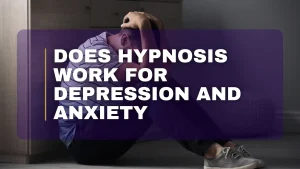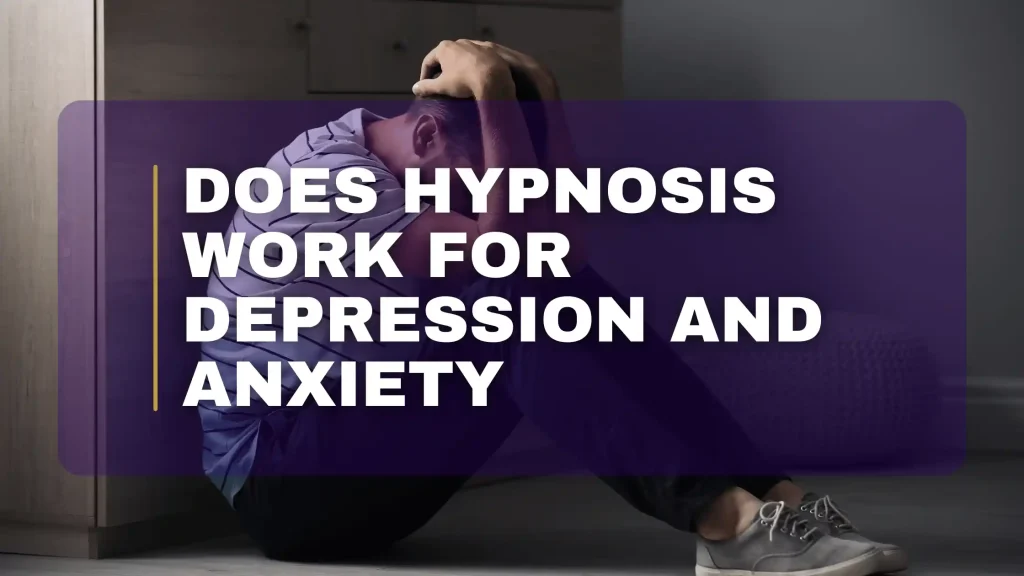
Hypnosis is a well-known method. It uses focused attention and relaxation to help the mind accept positive suggestions more easily. It is often described as a state where the conscious and subconscious mind work together. Many people have used hypnosis to help with depression and anxiety — it can be a supportive way to manage tough emotions.
Did You Know? Hypnosis is not about losing control — it is about gaining more calmness and awareness over your thoughts and feelings.
Hypnosis for Depression and Anxiety
Depression and anxiety can feel overwhelming. Both conditions affect mood, energy, and daily life. For some, it may feel like persistent sadness or worry that doesn’t ease, even with rest or support. Hypnotherapy for depression and anxiety offers a safe way to manage these feelings.
- Does hypnosis work for anxiety? Many clients report fewer racing thoughts and feeling more in control after guided hypnosis for anxiety.
- Does hypnosis work for depression? Many people feel calmer and more motivated after guided hypnosis for depression and structured sessions.
Warning: Depression and anxiety are serious conditions. They should never be minimised or ignored. Hypnosis is an alternative approach that can support other strategies.
Symptoms and Effects
Anxiety and depression can show in many ways, affecting sleep, energy, and mood. Hypnosis techniques may help manage stress, calm thoughts, and support daily balance.
Common signs of anxiety may include:
- Rapid thoughts and worry
- Difficulty sleeping
- Physical tension or restlessness
Common signs of depression may include:
- Ongoing low mood or sadness
- Lack of motivation or energy
- Disrupted sleep and appetite
These symptoms can affect daily living, relationships, and self-confidence. Many people use hypnosis for anxiety and depression to help gain emotional control and relieve stress.
How Hypnosis Supports Depression and Anxiety
Hypnosis works by creating a deep state of relaxation. In this state, the subconscious mind becomes more open to positive suggestions. This can help reduce anxious thoughts and ease feelings of sadness.
Approaches often used include:
- Relaxation hypnosis for mood: Calming the body and mind.
- Guided hypnosis for anxiety: Managing worry and controlling racing thoughts.
- Guided hypnosis for depression: Supporting motivation and easing persistent sadness.
- Mind-body connection in mood and anxiety: Linking thoughts, emotions, and physical wellbeing.
Expert Tip: Consistency matters. Some clients see benefits after 2–3 sessions, while others continue sessions for better results.
What to Expect in a Hypnotherapy Session
A certified hypnotherapist for depression and anxiety will make sure you feel safe and comfortable first. A typical session may include:
- Gentle induction into relaxation
- Focused suggestions around calmness and control
- Safe exploration of unhelpful thought patterns
- Closing with practical steps for daily use
For many people, this approach encourages lasting relief and practical coping strategies.
Options for Accessing Support
Hypnosis can be accessed in person or online. Both options provide safe and effective guidance.
- Online hypnosis for anxiety and depression: Offers flexibility for those at home.
- Self-help hypnosis for mood: Provides guided recordings for ongoing practice.
- Support for anxiety and depression at home: Allows regular reinforcement between sessions.
Some clients prefer local support. People often search for phrases like “hypnotherapy for anxiety near me” or “hypnotherapy for depression near me” to find reliable professionals.
Managing Symptoms Naturally
Hypnosis is an alternative way to help with anxiety and depression. It offers natural strategies for relief and may help with:
- Managing anxiety symptoms naturally
- Coping with low mood and worry
- Calming anxious thoughts
- Easing persistent sadness
- Encouraging emotional control and stress relief
Cost and Safety
People often ask, “Is hypnotherapy safe for depression and anxiety?” Yes — when guided by a certified hypnotherapist, it is considered safe.
For questions about hypnotherapy costs for anxiety or depression, please reach out privately. At Pemberton Therapy, prices are not listed online, as the focus is on value and outcomes, not price. Most clients say that after a quick 15-minute chat, they easily grasp the support options.
Final Thoughts
Hypnosis offers a safe and caring way to help people with depression and anxiety. Guided sessions can help the mind create new habits of calmness and motivation.
If you’re thinking about hypnotherapy for depression or anxiety, begin by scheduling a consultation. Many people have experienced relief, confidence, and emotional balance through this approach.