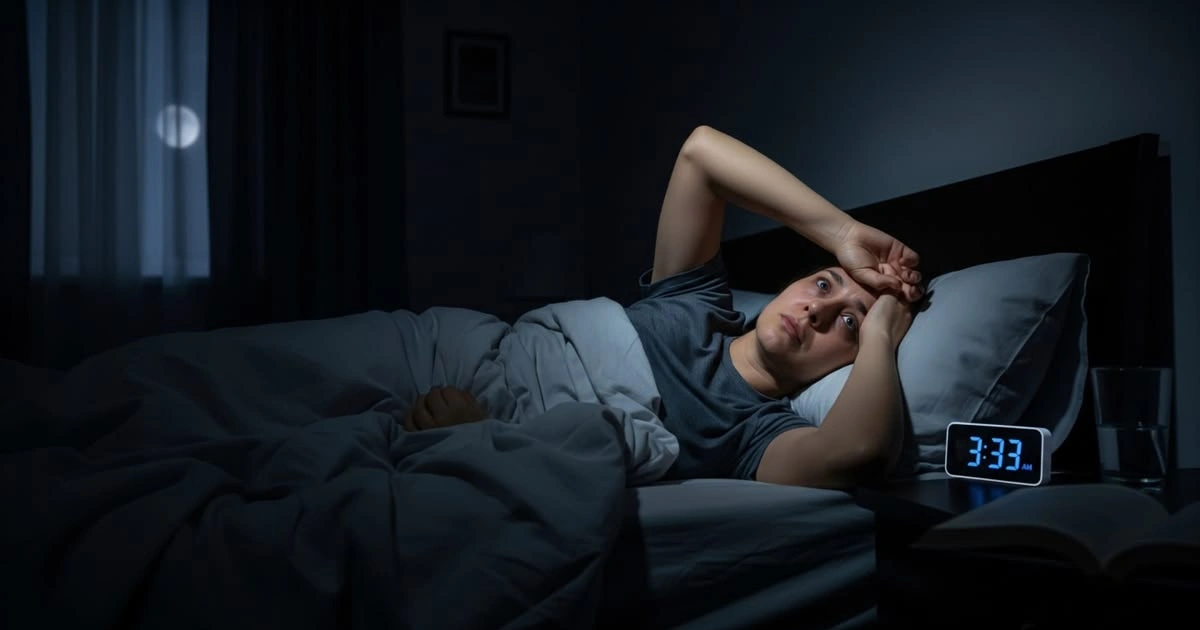
Night-time can be difficult when your mind does not seem ready to rest. You may feel exhausted, yet thoughts continue racing once everything becomes quiet.
For someone affected by trauma, this experience can feel particularly confusing. The danger may have passed long ago, but the mind can remain watchful when it should be settling.
This can happen because trauma may influence emotional memory, subconscious associations, and the brain’s sense of safety. When these protective patterns remain active, becoming quiet and less alert can sometimes feel uncomfortable.
Understanding this connection can help explain why sleep difficulties may continue after overwhelming experiences. It can also provide context for why Trauma Release Hypnosis may be explored when subconscious trauma patterns appear to remain active.
Why Can Trauma Affect Sleep?

Trauma can influence how the brain understands safety and possible danger. During an overwhelming experience, the mind and body may become highly focused on recognising threats and responding quickly.
Those protective responses do not always disappear immediately when the experience ends. For some people, heightened alertness continues into everyday life and becomes particularly noticeable at night.
Sleep requires a significant reduction in conscious awareness. When part of the brain remains focused on protection, allowing that transition can become difficult.
The Brain May Remain on Alert
After trauma, some people experience hypervigilance, where the brain remains unusually sensitive to possible threats.
This may involve:
- feeling unable to fully relax
- being easily startled
- noticing every small sound
- repeatedly checking the surroundings
- feeling unsafe without knowing why
- difficulty mentally switching off
- expecting something to happen
These experiences can become more noticeable when the environment becomes quiet.
Night-Time Can Feel Different After Trauma
During the day, attention is usually occupied by responsibilities, conversations, work, and everyday activities.
At night, many of these external demands disappear.
The reduction in distractions can make internal thoughts, emotions, memories, and physical sensations more noticeable.
For someone whose brain remains sensitive to danger, that quietness may not immediately feel peaceful.
Why Does the Mind Become Busy at Bedtime?
Many people affected by trauma describe feeling relatively occupied during the day before becoming mentally active at night.
This does not necessarily mean the trauma suddenly appears at bedtime. Instead, fewer external distractions may allow previously background emotional material to become more noticeable.
The mind may begin reviewing conversations, anticipating problems, revisiting memories, or analysing situations that seemed manageable earlier.
Emotional Processing Does Not Simply Stop
The brain continues processing emotionally meaningful experiences throughout the day and during sleep.
When something remains strongly associated with fear or uncertainty, related thoughts may repeatedly return.
Someone may find themselves thinking about:
- previous experiences
- unresolved emotional situations
- possible future problems
- personal safety
- relationships
- things they wish had happened differently
The exact thought may change, while the underlying emotional pattern remains similar.
Overthinking Can Have a Protective Purpose
Repeated thinking can sometimes develop because the brain believes greater analysis creates greater safety.
The subconscious may effectively learn:
“If I keep thinking about what happened, perhaps I can prevent it happening again.”
This does not mean someone consciously chooses to overthink.
The pattern may have developed as an automatic attempt to anticipate future danger.
Searching for Certainty Can Keep the Mind Alert
Traumatic experiences can involve sudden uncertainty or loss of control.
Afterwards, the mind may become highly focused on understanding every possibility.
Unfortunately, complete certainty is rarely possible.
The brain can therefore remain caught in a pattern of searching for answers without ever receiving the absolute reassurance it wants.
The Subconscious Mind and Night-Time Safety
The subconscious mind stores learned associations, emotional responses, and protective patterns developed through experience.
After trauma, certain situations can become associated with vulnerability or danger even when the conscious mind recognises that they are safe.
Night-time itself may sometimes become connected with those associations.
Why Feeling Safe Is Different From Knowing You Are Safe
Someone may consciously understand that their bedroom is secure and there is no immediate threat.
Yet another part of the mind can remain watchful.
This difference exists because conscious reasoning and subconscious emotional learning do not always respond in the same way.
Knowing logically that you are safe does not automatically mean the nervous system has stopped anticipating danger.
Previous Experiences Can Shape Night-Time Associations
For some individuals, difficult experiences occurred at night. For others, the connection is less direct.
The subconscious may associate darkness, quietness, being alone, or reduced awareness with vulnerability.
These associations can remain even when current circumstances are completely different.
This helps explain why someone may struggle at night without consciously understanding what they are afraid of.
How Emotional Memory Can Influence Sleep
Traumatic memories are not always experienced like ordinary memories.
Emotionally overwhelming experiences may remain strongly associated with feelings, sensations, images, sounds, or other sensory details.
A reminder can then activate an emotional response without the person deliberately thinking about what happened.
Memories Can Feel Emotionally Present
Consciously, someone may understand that an event happened years ago.
However, a subconscious trigger can make the emotional response feel immediate.
This can create:
- sudden anxiety
- emotional tension
- heightened alertness
- racing thoughts
- feelings of vulnerability
- difficulty settling mentally
The past event is not happening again, but the brain’s protective response may behave as though something requires attention.
Triggers Are Not Always Obvious
Trauma triggers can be subtle.
A sound, feeling, particular time, environment, dream, or emotional state may activate an association without creating a clear conscious memory.
Someone may therefore become suddenly alert at night and have no obvious explanation for why their emotional state changed.
The absence of an obvious trigger does not make the experience insignificant.
Trauma, Dreams, and Waking During the Night
Trauma can sometimes influence dreams and emotional experiences during sleep. Not everyone experiences this, and the patterns can vary considerably between individuals.
Some people may experience distressing dreams, while others simply wake feeling unsettled or unusually alert.
The emotional response may remain even when the dream itself cannot be clearly remembered.
Why Someone May Wake Feeling Anxious
The brain remains active throughout sleep.
Emotional information can continue being processed, and certain memories or associations may become active during different stages of sleep.
Someone may therefore wake with a strong feeling before consciously understanding what has happened.
This can feel particularly unsettling when there is no obvious explanation.
Fear of Sleep Can Become Another Emotional Pattern
After repeated difficult nights, some individuals begin anticipating the same experience before bedtime.
The mind may start expecting:
- racing thoughts
- disturbing dreams
- waking suddenly
- emotional discomfort
- difficulty falling asleep
This expectation itself can become part of the subconscious pattern surrounding night-time.
The Nervous System and Trauma-Related Sleep Difficulties
The nervous system plays an important role in the transition between alertness and rest.
During threatening situations, the body prepares for protection. Heart rate, attention, muscle readiness, and awareness may all change as part of this response.
After trauma, these protective systems can sometimes remain more sensitive than before.
Hypervigilance Can Make Rest Feel Difficult
Rest requires the brain to reduce its level of alertness.
For someone experiencing hypervigilance, lowering awareness may subconsciously feel unsafe.
Part of the brain may effectively remain responsible for watching what is happening.
This can make the transition into sleep feel difficult even when the person desperately wants to rest.
Exhaustion Does Not Always Override Alertness
Someone can be extremely tired while remaining emotionally alert.
Physical exhaustion and subconscious threat detection are different processes.
This explains why simply becoming more tired does not necessarily mean the mind will automatically switch off.
Why Trauma-Related Sleep Problems Can Continue for Years
Time can change many things, but subconscious patterns do not necessarily disappear simply because an event happened long ago.
If the brain learned that remaining alert provided protection, it may continue using that strategy until the underlying association changes.
This can leave someone wondering why an old experience still appears to influence their nights.
The Brain Learns From Emotional Significance
The subconscious does not decide whether something matters based only on how recently it happened.
Emotional significance is important.
An experience that strongly affected someone’s sense of safety can continue influencing present responses long after many ordinary memories have faded.
New Stress Can Reactivate Older Patterns
Periods of uncertainty or emotional pressure can sometimes make established trauma responses more noticeable again.
Someone may believe they had moved beyond a difficult experience, only to notice familiar sleep problems returning during another challenging period.
This does not necessarily mean they have returned to where they started.
It may indicate that an older protective pattern has been activated by current emotional circumstances.
Why Simply Trying to Relax May Not Address the Deeper Pattern
When trauma-related sleep difficulties involve subconscious threat responses, the issue may be deeper than an inability to relax.
A person can genuinely want to feel calm while part of the brain continues interpreting reduced alertness as unsafe.
This is why understanding the underlying emotional association can matter.
The difficulty may involve what the subconscious believes it needs to protect against rather than simply whether someone feels physically tired.
The Pattern May Be About Safety Rather Than Sleep
Sometimes sleep is where the problem becomes visible rather than where it originally began.
The deeper issue may involve:
- hypervigilance
- fear of vulnerability
- emotional memories
- subconscious trauma triggers
- learned protective responses
- unresolved fear associations
- persistent anticipation of danger
Understanding this distinction can provide greater clarity about why ordinary reassurance has not changed the experience.
Understanding Trauma Release Hypnosis
When sleep difficulties appear connected with subconscious trauma patterns, Trauma Release Hypnosis may be explored as a professionally guided approach.
Clinical hypnotherapy requires considerable training, practical experience, emotional awareness, and an understanding of how subconscious responses can develop. Working with trauma also requires particular attention to safety, connection, trust, and the individual’s emotional experience.
The purpose is not simply to make someone sleepy or temporarily relaxed.
Instead, hypnotherapy can explore subconscious associations that may be keeping the mind alert when there is no longer an immediate threat.
Exploring the Patterns Behind Night-Time Alertness
Professionally guided hypnotherapy may explore patterns involving:
- subconscious trauma triggers
- emotional memories
- hypervigilance
- learned threat responses
- fear connected with vulnerability
- recurring night-time anxiety
- associations between sleep and safety
Every person’s experience is different, so these patterns should be explored individually rather than assumed.
Understanding Why the Mind Is Staying Awake
From the subconscious mind’s perspective, remaining alert may have developed as protection.
This changes the question from:
“Why can’t I just switch off?”
to understanding what the brain may have learned that makes switching off feel difficult.
Professionally guided hypnotherapy can explore these deeper associations without suggesting that someone’s experience should simply disappear.
Trauma Does Not Always Need to Be Recounted in Detail
People can understandably feel concerned that exploring trauma means repeatedly describing painful experiences.
Professionally guided trauma-focused hypnotherapy should place emotional safety at the centre of the process.
Understanding subconscious patterns does not mean forcing someone to repeatedly revisit every detail of what happened.
Safety and Trust Matter
Traumatic experiences can involve a profound loss of safety, control, or trust.
For this reason, the relationship and environment surrounding the hypnotherapy process are important.
A trained hypnotherapist needs the professional understanding and practical experience required to create an environment where personal emotions can be approached carefully and respectfully.
Some clients report gaining greater understanding of the patterns connecting previous experiences with present emotional responses. Others describe feeling calmer around previously difficult triggers, although individual experiences vary and no outcome can be guaranteed.
When Night-Time Struggles Deserve Professional Attention
Regularly struggling to sleep because your mind remains alert can have a meaningful impact on everyday life.
It can affect concentration, emotions, relationships, confidence, and how someone experiences the following day.
These difficulties should not be dismissed simply because the original traumatic experience happened long ago.
At Pemberton Therapy we care and understand.
Professional hypnotherapy provides an opportunity to explore subconscious patterns connected with trauma and night-time alertness within an environment centred on safety, trust, connection, and understanding.
A Final Thought
Trauma can affect sleep because the brain does not always stop protecting someone when the original danger has ended.
Emotional memory, subconscious associations, hypervigilance, and learned threat responses may keep the mind alert when it would otherwise begin settling for sleep.
For some people, night-time makes these patterns more noticeable because daily distractions disappear and the brain becomes more aware of internal thoughts, emotions, and memories.
This helps explain why Trauma Release Hypnosis may be explored when sleep difficulties appear connected with deeper subconscious trauma responses.
The purpose is not simply to force relaxation. Professionally guided hypnotherapy can explore why the subconscious continues feeling the need to remain alert and what emotional associations may be maintaining that response.
For someone who has spent months or years wondering why their mind refuses to switch off, understanding that deeper connection can provide meaningful clarity and a more compassionate way of viewing what they have been experiencing.